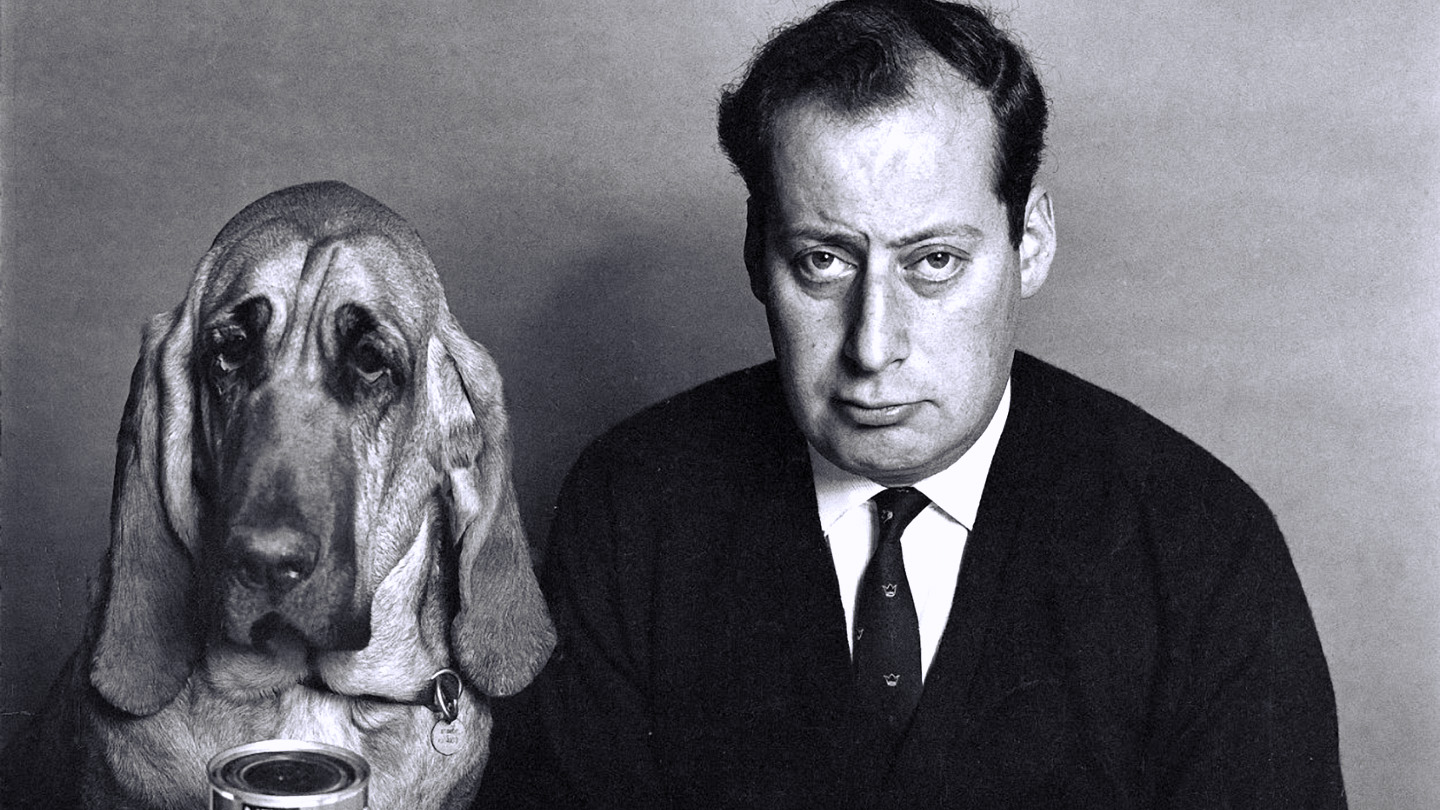

Date Rape Drug
A date rape drug, is any drug that is an incapacitating agent which, when administered to another person, incapacitates the person and renders them vulnerable to a drug-facilitated sexual assault (DFSA), including rape.
One of the most common types of DFSA are those in which a victim consumes a recreational drug such as alcohol that was administered surreptitiously.
The other most common form of DFSA involves the non-surreptitiously-administered consumption of alcohol. Here, the victims in these cases are drinking voluntarily which then makes them unable to make informed decisions and/or give consent.
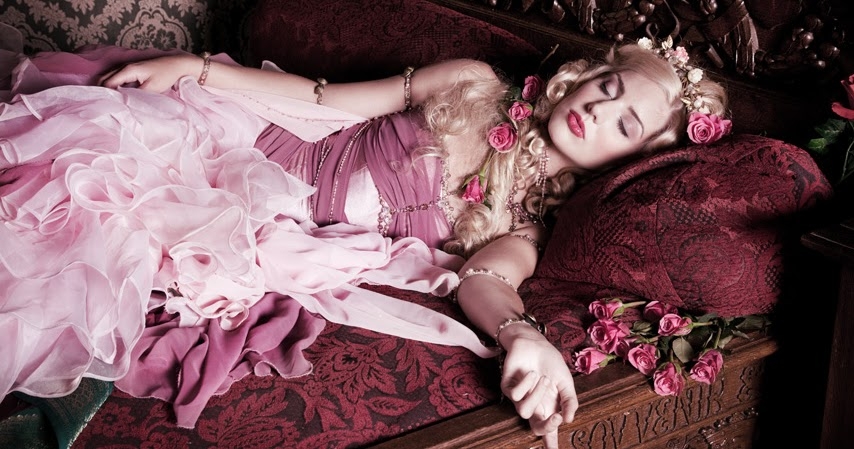
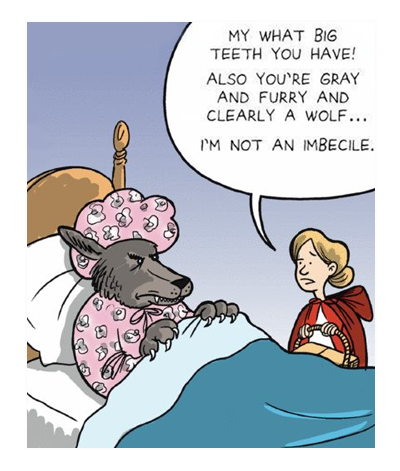
Little Red Riding Hood
The story displays many similarities to stories from classical Greece and Rome. Scholar Graham Anderson has compared the story to a local legend recounted by Pausanias in which, each year, a virgin girl was offered to a malevolent spirit dressed in the skin of a wolf, who raped the girl.
Hansel and Gretel
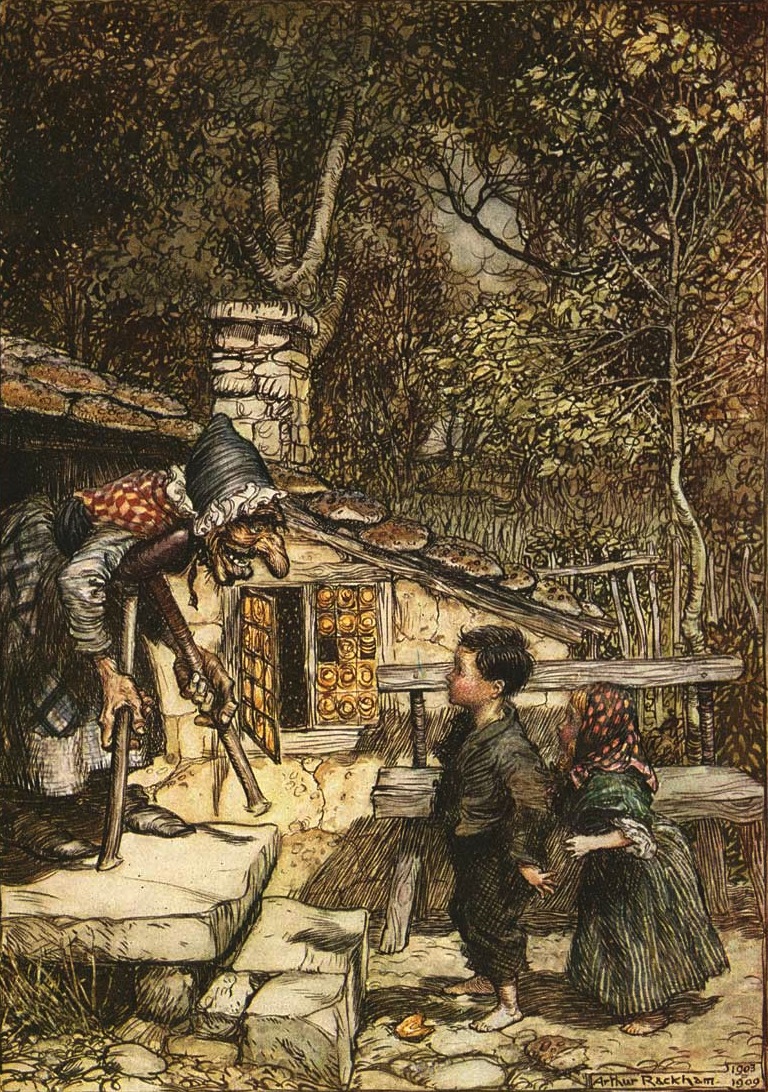
Hansel and Gretel is a well-known fairy tale of German origin, recorded by the Brothers Grimm and published in 1812. Hansel and Gretel are a young brother and sister kidnapped by a cannibalistic witch living deep in the forest in a house constructed of cake, confectionery, candy, and many more delicious treats that are imaginable.
The two children escape with their lives by outwitting her. The tale has been adapted to various media, most notably the opera Hänsel und Gretel (1893) by Engelbert Humperdinck.
Alice's Adventures in Wonderland
Alice's Adventures in Wonderland (commonly shortened to Alice in Wonderland) is an 1865 novel written by English author Charles Lutwidge Dodgson under the pseudonym Lewis Carroll.
It tells of a girl named Alice falling through a rabbit hole into a fantasy world populated by peculiar, anthropomorphic creatures.
The tale plays with logic, giving the story lasting popularity with adults as well as with children.
It is considered to be one of the best examples of the literary nonsense genre. Its narrative course and structure, characters and imagery have been enormously influential in both popular culture and literature, especially in the fantasy genre.
Discussion of Dodgson's Sexuality
Some late twentieth-century biographers have suggested that Dodgson's interest in children had an erotic element, including Morton N. Cohen in his Lewis Carroll: A Biography (1995), Donald Thomas in his Lewis Carroll: A Portrait with Background (1995), and Michael Bakewell in his Lewis Carroll: A Biography (1996). Cohen, in particular, claims that Dodgson's "sexual energies sought unconventional outlets", and further writes:
"We cannot know to what extent sexual urges lay behind Charles's preference for drawing and photographing children in the nude. He contended the preference was entirely aesthetic. But given his emotional attachment to children as well as his aesthetic appreciation of their forms, his assertion that his interest was strictly artistic is naïve. He probably felt more than he dared acknowledge, even to himself".
Cohen goes on to note that Dodgson "apparently convinced many of his friends that his attachment to the nude female child form was free of any eroticism", but adds that "later generations look beneath the surface" (p. 229). He argues that Dodgson may have wanted to marry the 11-year-old Alice Liddell, and that this was the cause of the unexplained "break" with the family in June 1863, an event for which other explanations are offered.
Biographers Derek Hudson and Roger Lancelyn Green stop short of identifying Dodgson as a paedophile (Green also edited Dodgson's diaries and papers), but they concur that he had a passion for small female children and next to no interest in the adult world. Catherine Robson refers to Carroll as "the Victorian era's most famous (or infamous) girl lover".
Beatrice Sheward Hatch (24 September 1866 – 20 December 1947) was an Englishwoman and muse of Charles Lutwidge Dodgson, better known as Lewis Carroll. She was one of a select few children that Dodgson photographed nude, therefore making Hatch the subject of much contemporary study and speculation. Photographs of Hatch still inspire artistic work in contemporary times.
Freud and Fairy Tales
Sigmund Freud believed that, like dreams, fairy tales are a window into our unconscious. Fairy tales are an arena in which we can play out social taboos and reckon with our carnal ids. The story of “Little Red Riding Hood” is, although unsettling, essentially a cautionary tale for children.